NativState Bottomland Forests of the Louisiana Plains (PDA)
Improved Forest Management
Forestry
プロジェクト概要
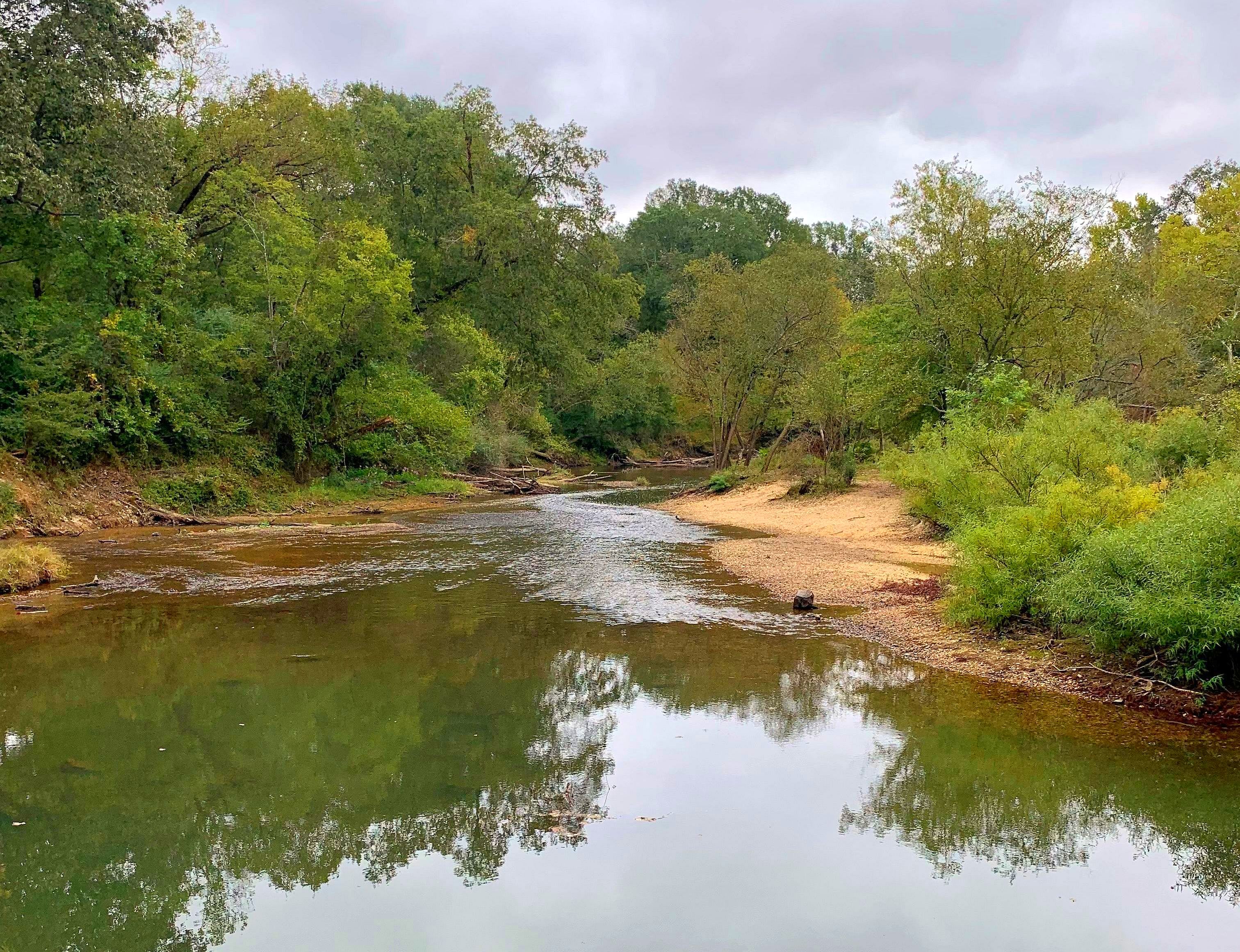
The NativState Bottomland Forests of the Louisiana Plains (PDA) is a Programmatic Development Approach improved forest management project that aggregates privately owned bottomland hardwood forests across Louisiana and Mississippi. The project encompasses multiple small landholdings in the Mississippi River Delta and Mississippi River Mixed Forest ecoregions and focuses on oak‑hickory and oak‑gum‑cypress forest types. It maintains and enhances forest carbon stocks while supporting water quality and wildlife habitat across these working forests.
The project manages forests to keep carbon stocks above a modeled baseline that reflects aggressive harvest practices common in the region. Management either defers harvests or limits removals to up to 1.5% of standing biomass per year, prohibits harvesting in streamside management zones except to protect streambanks, and disallows site preparation burning. Practices are aligned with the American Carbon Registry (ACR) Standard and its improved forest management methodology, and participating landholdings are certified under the American Tree Farm System. Monitoring relies on periodic field inventories across a network of permanent plots, with quantification following ACR’s methods.
Looking ahead, the project models approximately 2.63 million tCO2e in removals over the first crediting period, prior to buffer considerations. Using a programmatic approach, the project developer oversees monitoring, reporting, and verification and can add new sites of similar forest types in the same region over time, enabling responsible expansion with consistent practices.
Beyond carbon, the project contributes to broader environmental outcomes aligned with Sustainable Development Goals, including clean water, climate action, and life on land. It maintains forest cover and safeguards riparian areas in a region with strong timber markets and infrastructure, where business‑as‑usual management tends toward more intensive harvesting.

%20-%20Removals_3.jpg)