Soil Carbon Sequestration through Regenerative Farming Practices
Regenerative Agriculture
Soil
プロジェクト概要
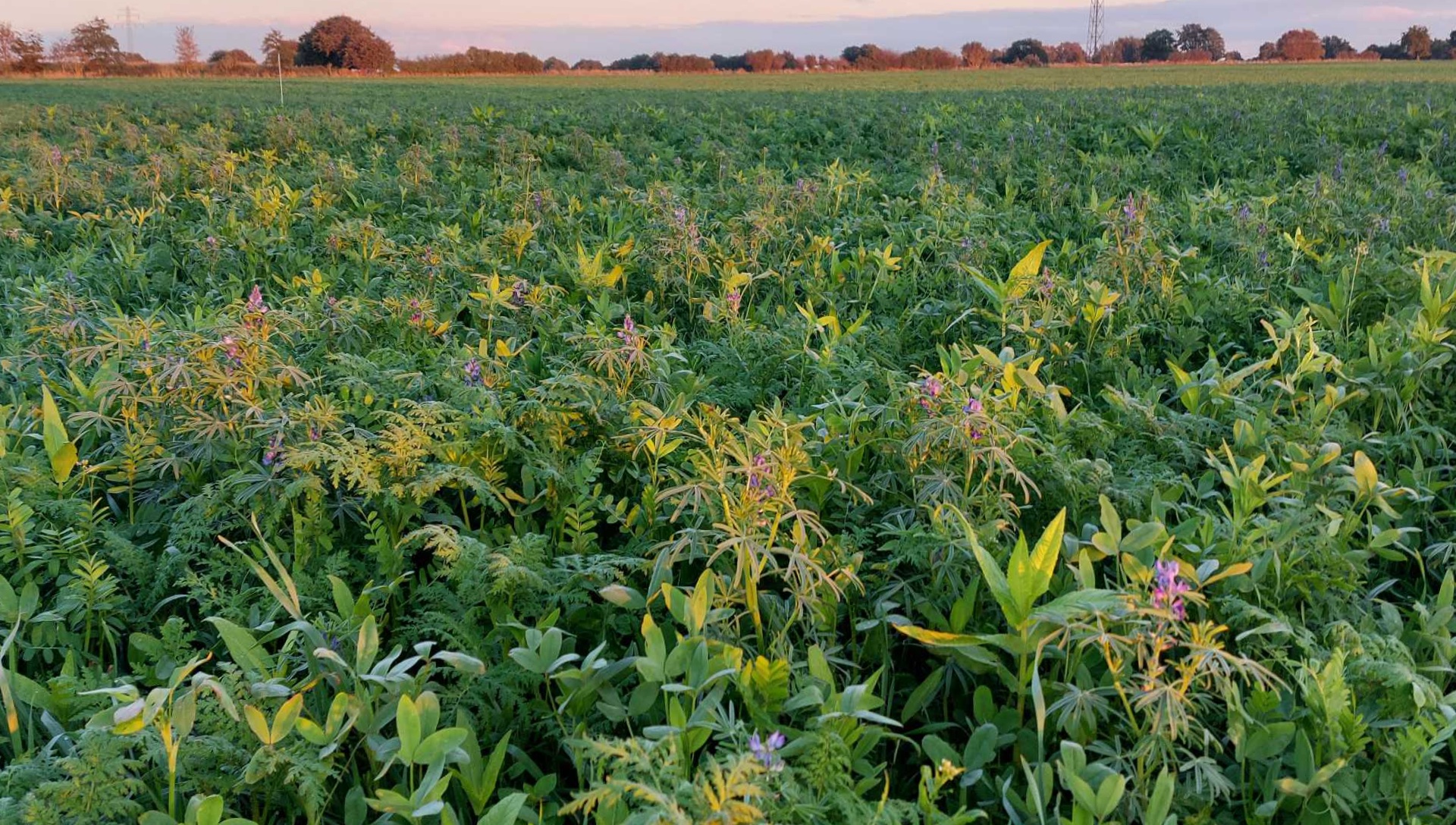
The Soil+ Project to Incentivize Emissions Reductions and Removals on Agricultural Land in Europe operates in Germany with plans to expand across Europe. The project increases soil organic matter in cropland while reducing agricultural greenhouse gas emissions by scaling regenerative farming. Through financial incentives and digital platforms, the program helps farmers transition from conventional to regenerative practices.
The project addresses a critical challenge facing European agriculture. Without changes to current management practices, German soil carbon will decline 10 to 18% by century's end, losing 0.23 tonnes per hectare each year. Today, regenerative practices remain rare in Germany, adopted on just 15.6% of farmland. To reverse this trend, the project stores atmospheric carbon in soils while cutting emissions from fuel, fertilizers, and livestock.
Farmers choose from six practice modules based on their operations. The modules include Tillage & Seeding, Plant Protection, Crop Rotation, Fertilizer, and Dairy options. Participants select which modules to implement annually, with at least one required. The project conservatively estimates carbon removal of 0.6 tonnes CO2 per hectare yearly, with total reductions averaging 1.8 tonnes CO2 per hectare annually.
Strong safeguards protect the permanence of carbon stored in soils. A 25% buffer applies to each removal credit, pooled across all farmers to cover potential losses. Farmers receive 75% of payments after verification, with 25% held for five years to ensure continued climate performance. The program provides ongoing training and support to help farmers successfully maintain regenerative practices.
Klim GmbH developed the project following ISO 14064-2:2018 and partially aligning with VCS VM0042 standards. Klim owns the project and sells the emission reductions it generates. The company supports farmers through digital tools for data collection and verification, plus educational resources and community forums.