Novocarbo Ruhr/Thyssenkrupp Biochar
Industrial Biochar
Biomass
プロジェクト概要
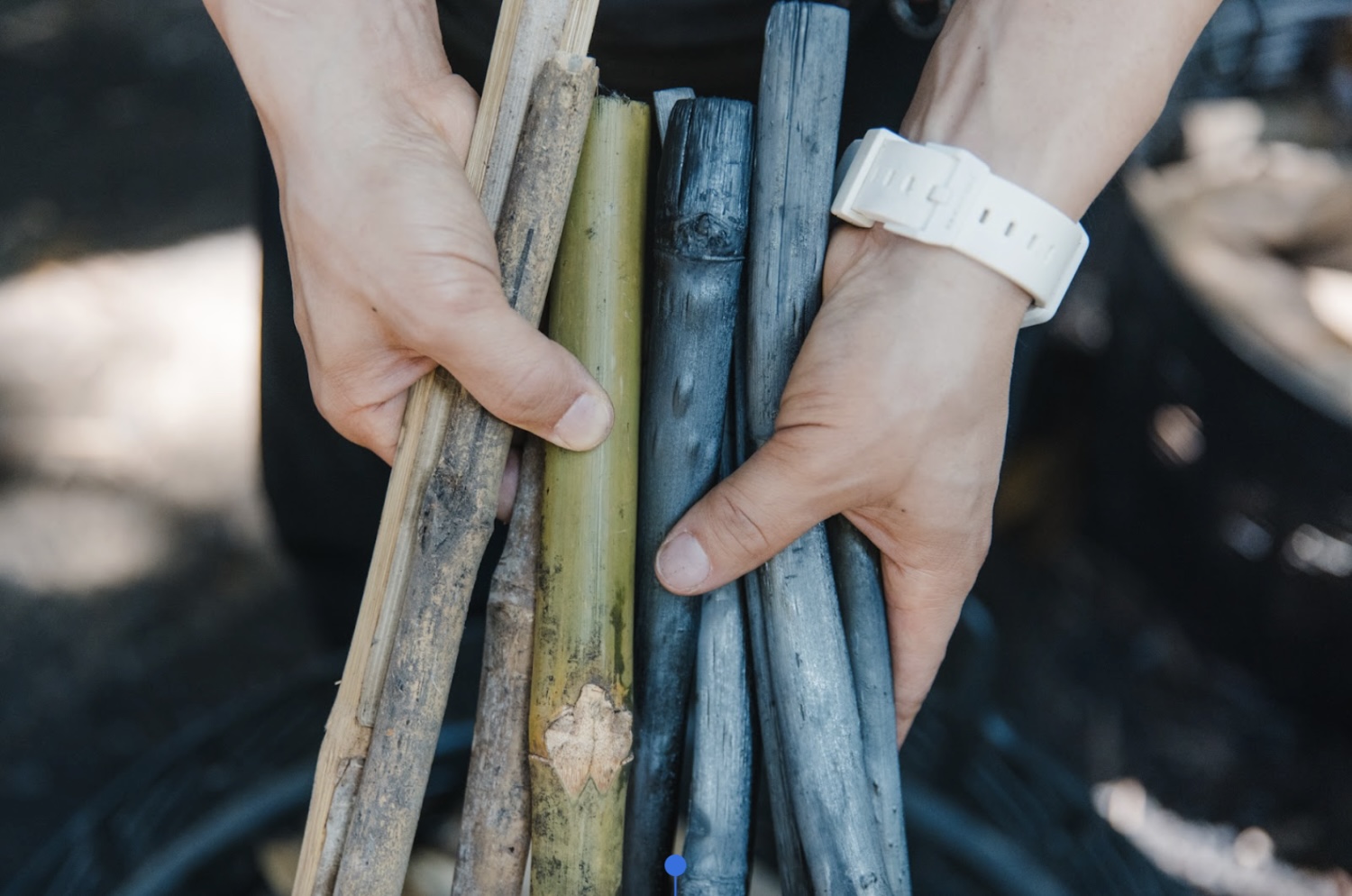
The Novocarbo Ruhr Thyssenkrupp project removes atmospheric carbon by converting sustainably sourced wood chip residues into stable biochar through industrial pyrolysis in Lippstadt, Germany. By stabilizing biogenic carbon as biochar, the project stores CO2 for centuries to over a millennium and has been independently audited under the Puro.earth Biochar Methodology. The resulting biochar is supplied for non-energy uses and is accompanied by buyer declarations confirming it will not be combusted.
At its core, the project uses pyrolysis where syngas from the process is recovered and combusted to provide the necessary heat, minimizing external energy demand aside from LPG used for ignition, which is included in the life cycle assessment. The biochar meets recognized quality standards, with a low H/Corg ratio and EBC certification noted in the audit. End uses include soil remediation and amendment, wastewater and stormwater treatment, and as an additive in materials such as concrete and high-performance polymers, applications that keep carbon locked away rather than burned.
Operationally, the process is designed for CO2 negative production, running autothermally once activated and feeding excess heat and energy into the grid. Documented co-benefits include potential methane reductions when biochar is added to compost, as well as reductions in nitrous oxide emissions and nutrient leaching, which can lower mineral fertilizer use and support soil and biodiversity outcomes.
The project developer is an experienced operator of pyrolysis plants, building on a network of partnerships and research collaborations. Through its Swiss Biochar arm, the team brings a decade of substrate development experience. The developer indicates a scale up trajectory supported by carbon finance, targeting a doubling of output from early baselines and an ambition to reach 1 MtCO2e removals per year by 2030, under a business model that relies on three revenue pillars: green heat, biochar, and carbon credits.