Katingan REDD+ Forest Protection
REDD+ & Improved...
Forestry
プロジェクト概要
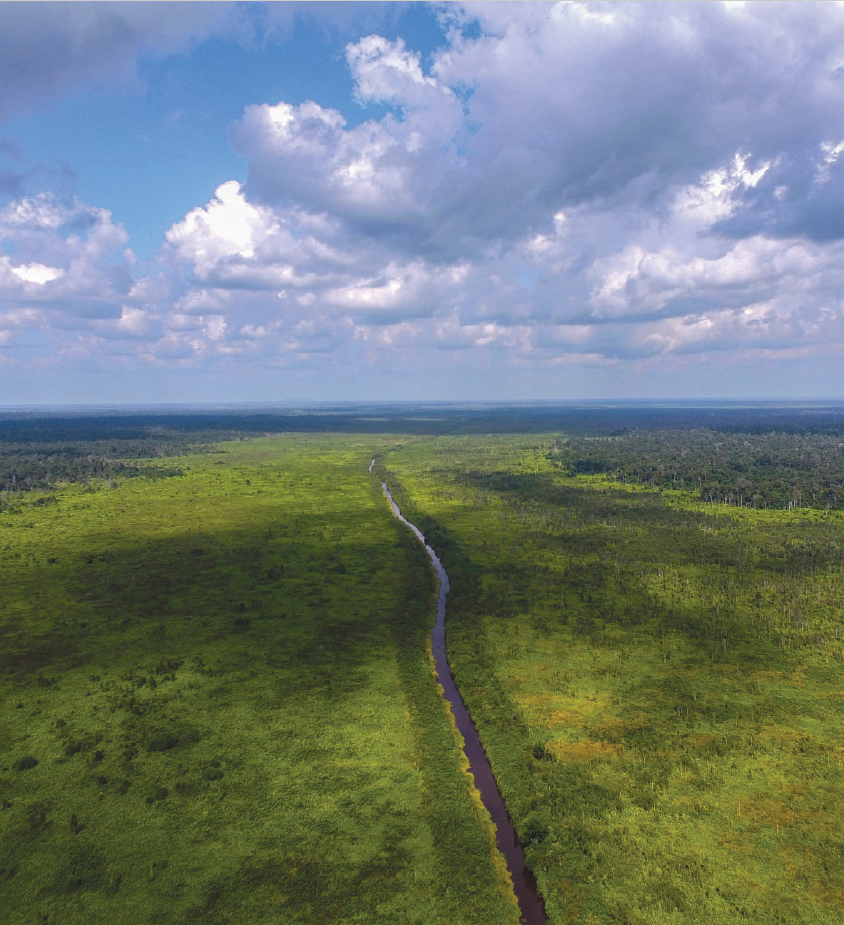
The Katingan Peatland Restoration and Conservation Project protects and restores 157,875 hectares of tropical peat swamp forest in Central Kalimantan, Indonesia. Without intervention, the area was slated for conversion to industrial acacia plantations, and extensive emissions from peat degradation and fire were anticipated. The project blocked this fate by securing a legally binding ecosystem restoration concession that authorizes forest protection, restoration, and management activities across the entire concession area. In practice, this means patrolling for illegal logging, blocking drainage canals to restore the peatland's natural water levels, training community fire brigades, and supporting alternative livelihoods like agroforestry and eco-tourism. Over its 60-year crediting period, the project is expected to avoid 402.58 million tCO₂e — an average of 6.7 million tonnes per year.
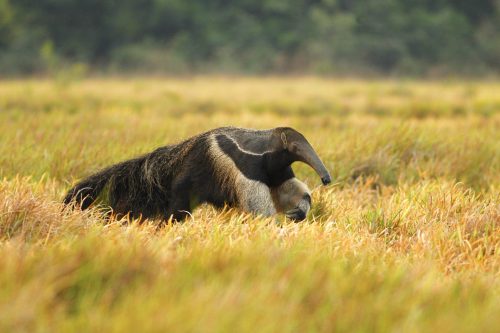
The project area sits within a Key Biodiversity Area, and monitoring has recorded 109 threatened species, including the Critically Endangered Bornean Orangutan and Sunda Pangolin. It also maintains an ecological corridor connecting the project area to Sebangau National Park. Zero large-scale fires have been recorded across the 149,800-hectare project area, the result of early detection systems, an active fire management structure, and close collaboration with local communities and government. To further stabilize the peatland, 80 canal blocks have been built to restore natural hydrology across the project area.
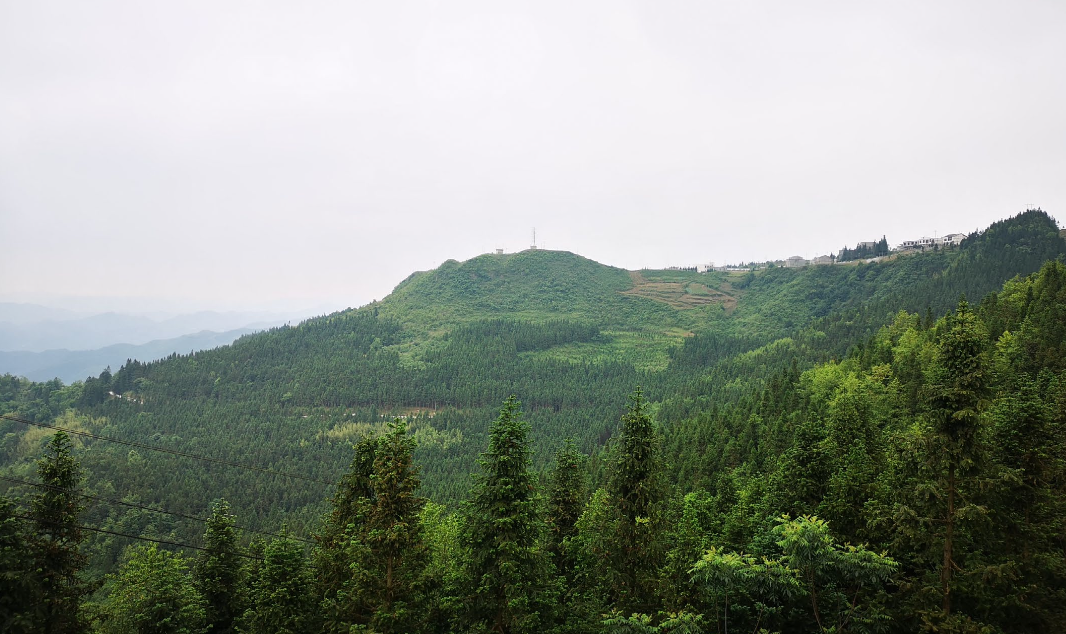
The project works with 34 surrounding villages across five sub-districts. Through 80 formal partnership agreements, the project has improved livelihoods for 3,987 people and improved the overall well-being of 6,581 individuals. Capacity building has reached 44 local institutions, from village forest groups and women's cooperatives to community fire teams. The project has also brought clean energy to remote areas: solar panels were installed in Tampelas villages to power homes, community facilities, and a local processing operation.
PT. Rimba Makmur Utama (PT. RMU) leads the project alongside Permian Global. Permian Global contributes expertise in forest ecology, carbon analysis, GIS, biodiversity, community engagement, and international carbon markets.