Kanawha River Improved Forest Management
Improved Forest Management
Forestry
プロジェクト概要
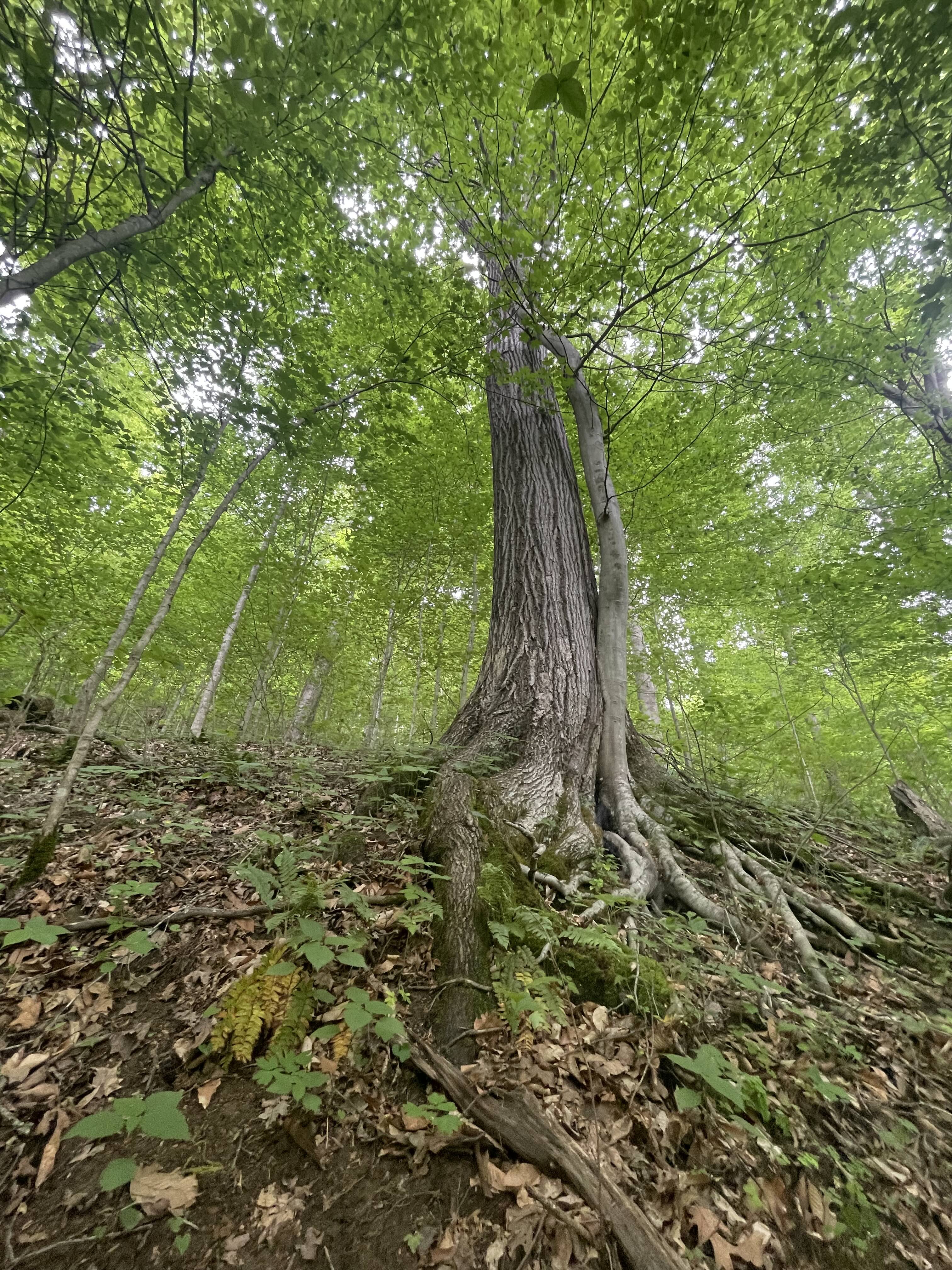
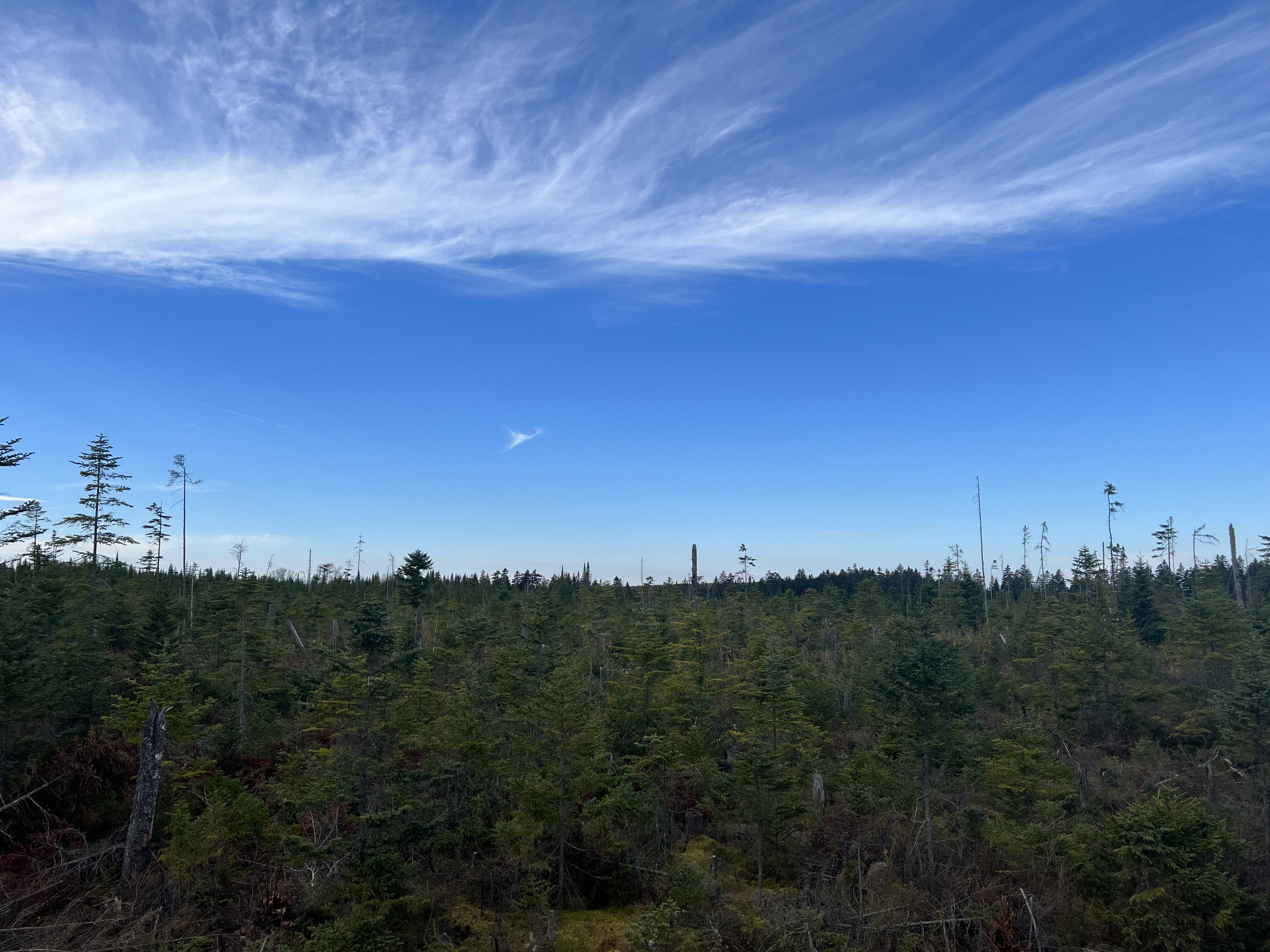
Kanawha River Forestry Project is located on approximately 80,724 acres in West Virginia. The property is comprised of mostly hardwood species such as yellow poplar, white oak, northern red oak, sugar maple, basswood, and black oak and includes many segregated compartments ranging from small to large. The region consists of rugged, steep mountains with winding ridges, rounded peaks, and snaking narrow valleys. Historically, the area surrounding the project has been managed for both timber and energy extraction. The land enrolled in this project is owned and operated by Aurora Sustainable Lands LLC (Aurora).
Prior to implementation of the carbon project, the landowner conducted commercial timber harvesting under financially-optimized management regimes which would have been highly attractive for implementation if not for Aurora’s acquisition of their lands. Carbon funding plays a critical role in Aurora’s investment as Aurora would not be able to financially maintain these lower harvest levels, pay for operational costs, or meet its fiduciary responsibility to its investors without carbon revenues.
The project activity is improved forest management, with the Kanawha River Forestry Project’s management practices representing a significant improvement in the carbon storage and conservation value than higher return and more aggressive management regimes in the area. A typical management regime may be characterized by shorter, even-aged rotations or through large-scale, uneven-aged harvests that target a low residual basal area. Throughout the geographic region, private forestland is heavily cut as the timber reaches viable diameter thresholds.
In the absence of the carbon project commitments and projected carbon revenues, Aurora would readily harvest to levels at or below those modeled in these baseline scenarios. Aurora's goal is to produce the same financial returns as traditional Real Estate Investment Trusts (REITs) or Timberland Investment Management Organizations (TIMOs), but from alternative revenue sources. With that in mind, management decisions of the forest focus on lighter-touch and sustainable harvests, natural forest growth, and biomass maintenance. The project ensures long-term sustainable management of the forest, which would otherwise undergo significant commercial timber harvesting.
Carbon income is the driving force that allows Aurora to implement lighter-touch harvesting practices to increase carbon sequestration and to engage in other non-timber revenue streams, such as hunting leases, easements, and increased public recreational access.