Recycling Roadways for Carbon Emission Reductions Global Emissionairy U.S. Project #2
Roadway Recycling
Recycling and Circularity
プロジェクト概要
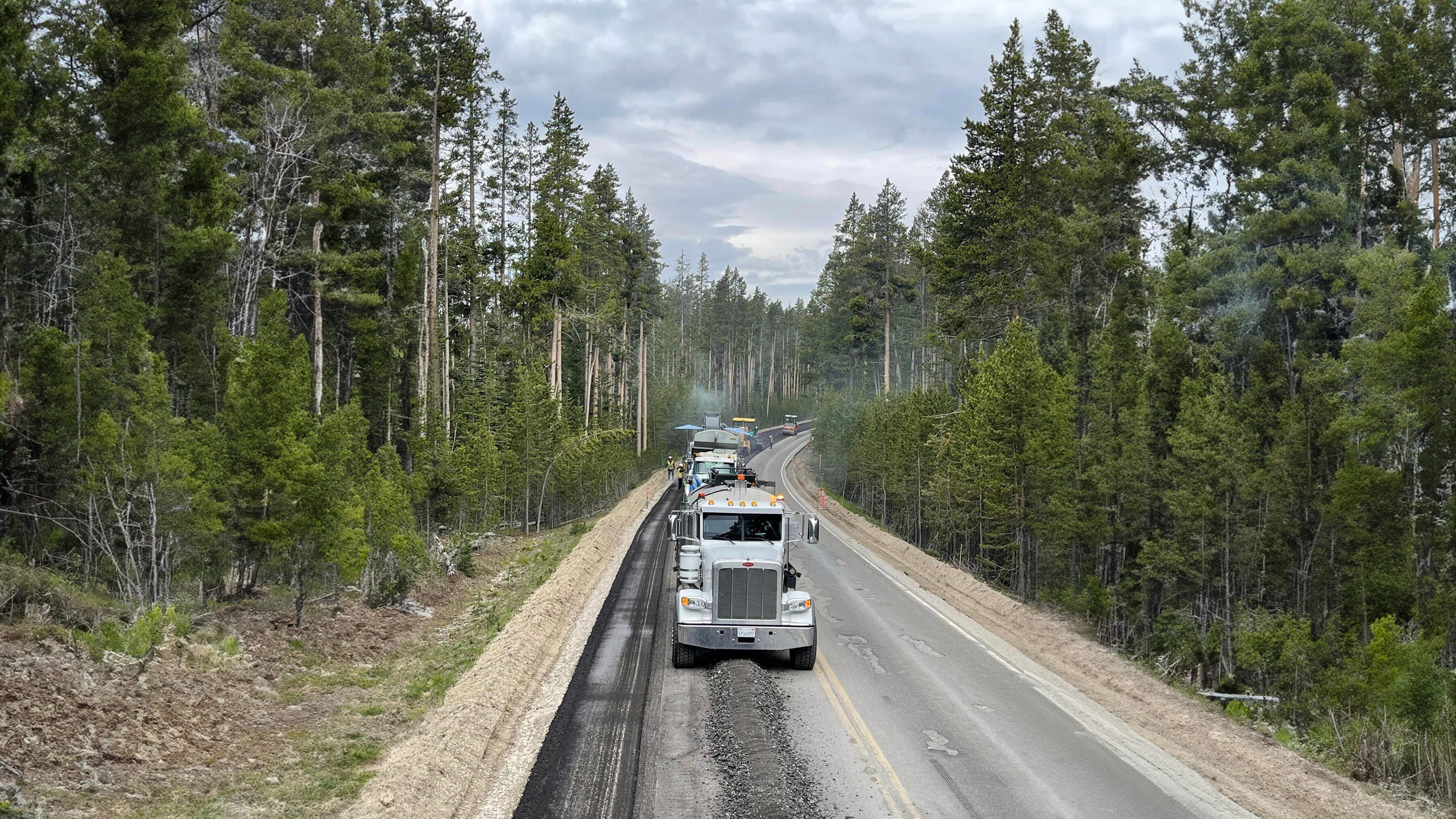
The Recycling Roadways for Carbon Emission Reductions - Global Emissionairy - U.S. Project #2 reduces greenhouse gas emissions from road maintenance and reconstruction by replacing hot mix asphalt (HMA) with foam stabilized base (FSB) and asphalt emulsion mixes. Operating as a grouped project under the Verified Carbon Standard, it aggregates road projects across the United States that apply cold recycling techniques, including Cold In-Place Recycling (CIR), Cold Central Plant Recycling (CCPR), and Full-Depth Reclamation (FDR), to lower energy use and material demand during paving.
Instead of heating aggregates and bitumen to high temperatures and hauling large volumes of virgin aggregate, the project relies on in-place and nearby recycled materials at ambient temperatures. This approach reduces fuel and electricity consumption at the plant, cuts trucking-related emissions, and shortens construction time, which helps minimize traffic disruption and emissions from idling vehicles. These measures deliver measurable emissions reductions compared to conventional HMA or warm mix asphalt (WMA) practices.
The project is based in the United States, with activities in New York, Pennsylvania, Massachusetts, Connecticut, Rhode Island, and New Hampshire. Global Emissionairy, LLC is the project proponent and coordinates implementation with road contractors. Technical support for methodology development has been provided by the University of Maryland’s Smart Construction Center. Together, the team manages engineering specifications, quality control, and data collection to demonstrate quantified reductions under the applied methodology.