Recycling Roadways for Carbon Emission Reductions – Global Emissionairy – Project California USA
Roadway Recycling
Recycling and Circularity
プロジェクト概要
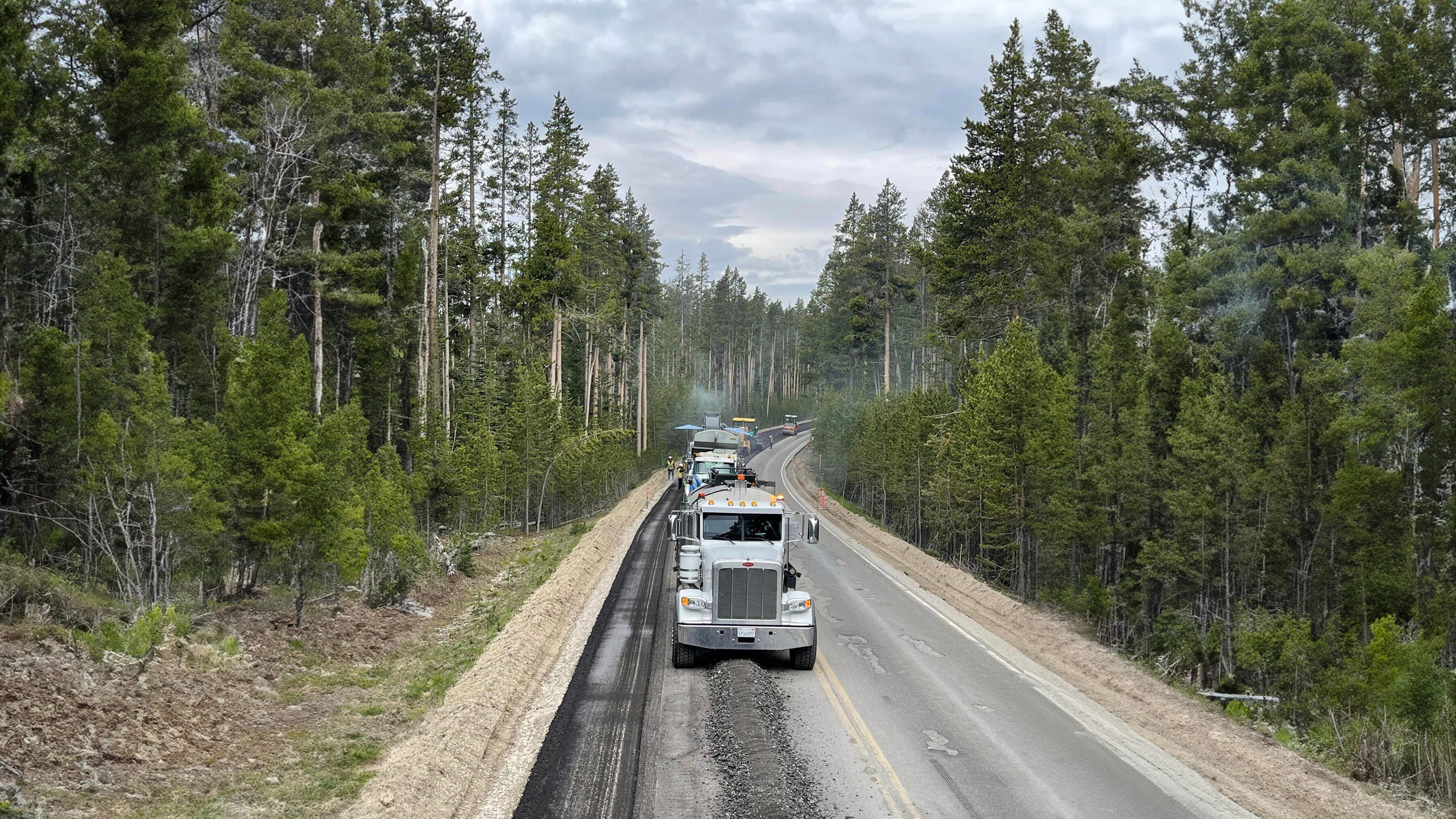
The Recycling Roadways California project is designed to cut greenhouse gas emissions from road maintenance and reconstruction by replacing hot-mix asphalt with cold recycling techniques. The project works with road construction contractors in the United States to use foam stabilized base or asphalt emulsions produced at ambient temperatures with recycled aggregate. By manufacturing mixes on or near the job site and avoiding the energy-intensive heating and long-haul transport of virgin materials, the project targets meaningful reductions in fuel, electricity, and process emissions.
Emissions are reduced by substituting hot-mix asphalt with Cold In-Place Recycling, Cold Central Plant Recycling, and, where applicable, Full Depth Reclamation. These approaches use less bitumen than conventional hot mixes and typically avoid the need for virgin aggregate. Producing the recycled mix at ambient temperatures and near the roadway substantially lowers transport and plant energy needs. In-place recycling is also designed to shorten construction times and traffic disruptions, which can help reduce vehicle emissions from extended queues. The project’s approach also recycles existing roadway materials, decreasing waste and limiting demand for new aggregate.
This is a grouped project, meaning new road segments can be added over time as they meet the same technology, baseline, and additionality criteria. The applicable methodology does not impose scale or capacity limits, supporting expansion as new activities are implemented. Global Emissionairy, LLC serves as the project proponent and coordinates with multiple road construction contractors, holding contractual rights to the resulting carbon units. The activities are voluntary, not mandated by regulation in the United States.