Pina Earth Lindorf Improved Forest Management
Improved Forest Management
Forestry
プロジェクト概要
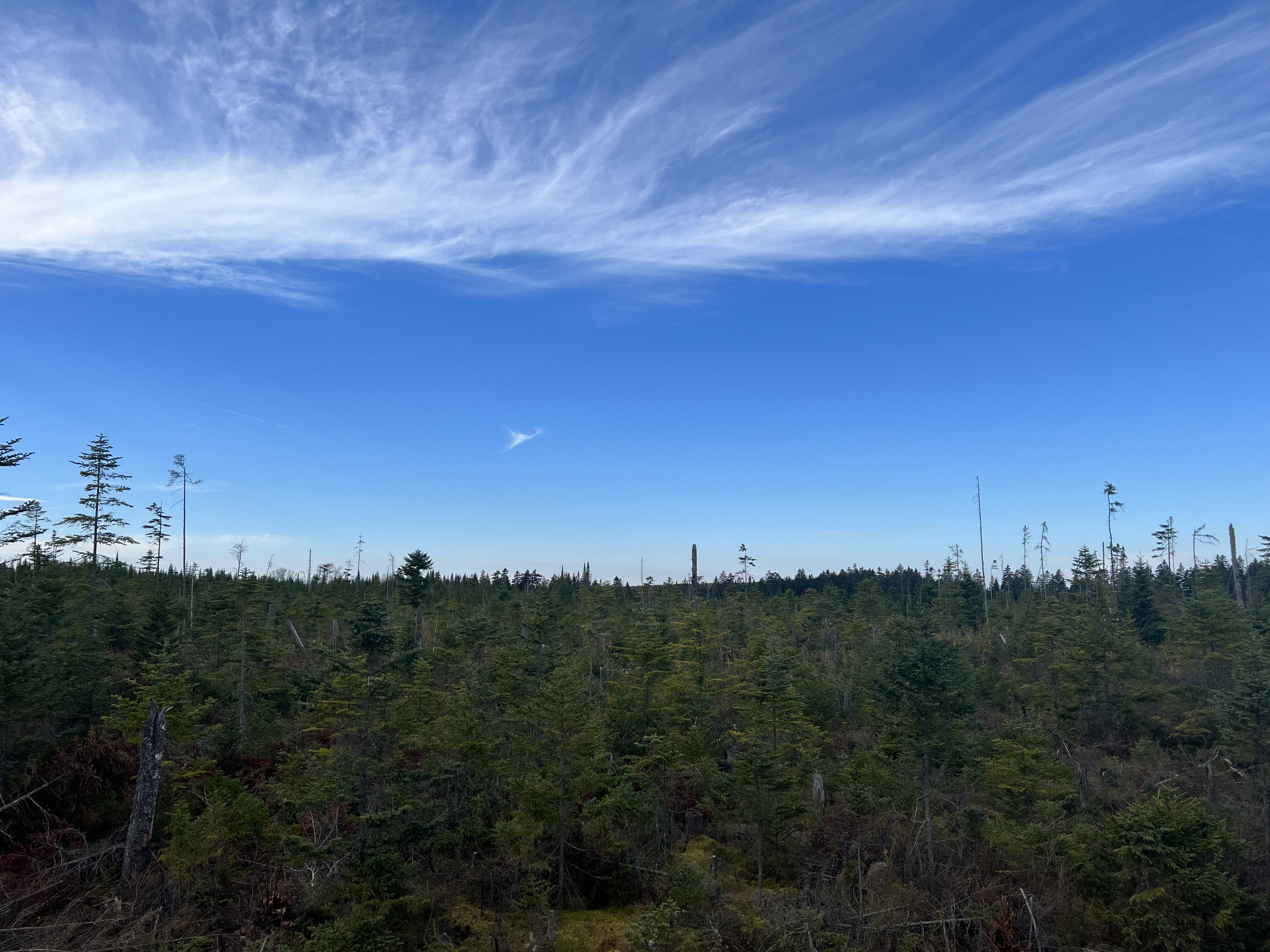
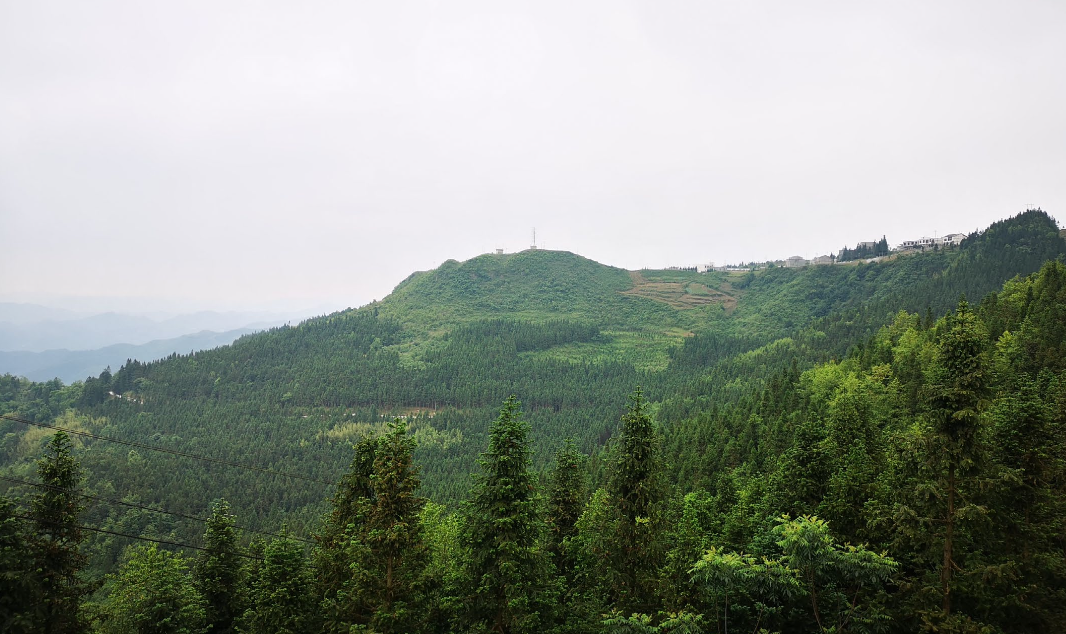
Project Lindorf (Pina Earth Lindorf Improved Forest Management) aims to convert vulnerable monoculture stands into structurally diverse, climate‑resilient mixed forests while increasing the forest carbon reservoir over time. Located across Bavaria and Baden‑Württemberg near Nördlingen, the project spans 318.37 hectares. Today the area is dominated by spruce; the project transitions stands toward a more balanced mix through targeted silviculture, natural regeneration, and species diversification.
To achieve these outcomes, the project implements a set of forest adaptation activities tailored to each stand: thinning and phased end‑use of the overstory to develop individual tree stability and open the canopy, preregeneration via seeding (primarily silver fir, supplemented by Douglas fir, lime, and hornbeam), active protection and promotion of natural regeneration (notably oak, hornbeam, and maple), and intensified hunting to reduce browsing pressure. The targeted future tree‑species composition across the area is 40% spruce, 40% silver fir, 10% oak, and 10% a mix of birch, beech, maple, lime, and hornbeam. Management is adaptive and re‑planned roughly every 3–5 years based on site conditions and current science.
Over a planned 30‑year project life (starting in 2021), the project is expected to sequester approximately 30,264 tCO₂ (gross) by increasing carbon stored in living tree biomass relative to a business‑as‑usual reference scenario. The project uses a digital twin of the forest and the TreeGrOSS growth simulator to model development and interventions, and it monitors progress using national forest inventory data together with remote sensing (airborne LiDAR and RGBI imagery) to verify changes in structure and stocking. Ecological outcomes are also tracked; tree‑species diversity must improve at each monitoring event, with a requirement for at least three site‑appropriate species established in the understory by year 30.
The developer, Pina Earth, manages monitoring and information systems, leveraging high‑quality national datasets and remote sensing, and maintains a documented information management system to ensure data quality and permanence risk management over the project’s duration.
Note to buyers: This purchase is offered ex‑ante (credits issued before all outcomes are realized), so credits are issued following validation and made available early in the project, in expectation of future carbon removal over the project’s 30‑year duration. The project has been deployed (forest adaptation activities have started), but the full carbon removal process will occur over time. The project developer will deliver a purchase certificate and provide updates on carbon removal rates as monitoring data become available. Ex‑ante carbon credits may not be suitable for common climate claims, so contact Patch with questions about appropriate claims for these credits.