Tradewater OOG 1
Plugging Orphaned Oil...
Gas Capture and Super...
プロジェクト概要
The Tradewater OOG 1 project plugs orphaned, methane-emitting oil and gas wells in Indiana, United States. Orphaned wells — those abandoned without a responsible operator — are a persistent climate and public health problem. Without a responsible owner, these wells become a state responsibility with no mandate to remediate them, leaving them to emit methane unabated. The scale of the issue is significant: the U.S. Environmental Protection Agency (EPA) estimates that abandoned and orphaned oil and gas wells release 6.6 million metric tonnes of CO₂e annually across the United States.
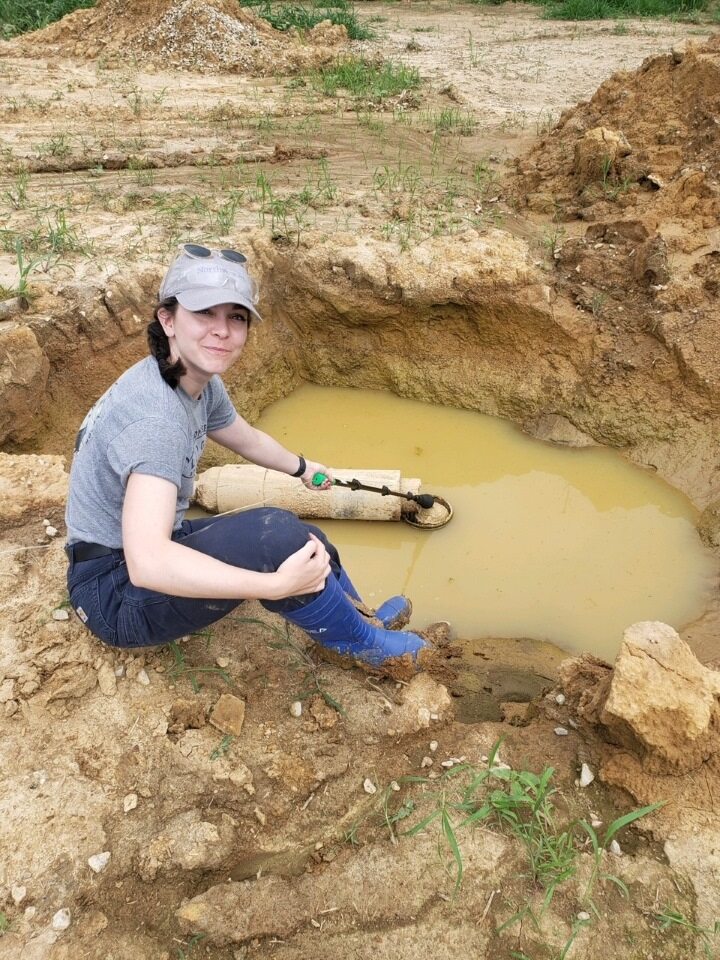
To find wells worth plugging, a Tradewater team of experts surveyed over 100 orphaned wells in Indiana, identifying a group with high surface pressure and elevated emission rates — wells that operators had abandoned on private landowner property. This project targets three of those wells in Boone and Dubois counties. Methane emissions are measured before and after plugging using a registry-approved technique to confirm that mitigation has been achieved. Because the wells were flowing gas, a cast iron bridge plug was set at the base, followed by a cement plug at least 50 feet below the underground drinking water source. The wells were then cut off 5 feet below grade. Over a 20-year crediting period, the project is expected to generate approximately 457,725 mtCO₂e in net credits.
Plugging these wells also addresses direct risks to nearby communities and ecosystems. Beyond methane, orphaned wells can release benzene, a known carcinogen, and hydrogen sulfide, a toxic gas. The wells in this project were heavily contaminated with hydrogen sulfide, posing a serious hazard to anyone nearby. The project wells sat near farmland, homes, and in one case, a pond that supports local wildlife — all at risk from leaking gases and fluids.
Tradewater, LLC developed and leads this project. The three wells are managed by Tradewater as a single aggregated project, with each well located on a different landowner's property. Tradewater led all plugging activities and holds rights to all carbon credits generated by the project.